By Max Letek, Lost Land Travels. Fact-checked against FCDO advice and Galápagos fee rules, 14 October 2026.
The Galápagos now costs $220 in fees before you've seen a single tortoise, and an eight-day cruise runs into thousands. Two hours from Quito, for the price of a $4 bus ticket, the Mindo cloud forest offers some of the richest wildlife on the planet. Here's how it compares, and how to plan it.
Ask most British travellers what they'd do in Ecuador and the answer is the Galápagos. It's an understandable answer. It's also an expensive one, and an increasingly crowded one, with visitor numbers climbing well past the levels conservationists are comfortable with.
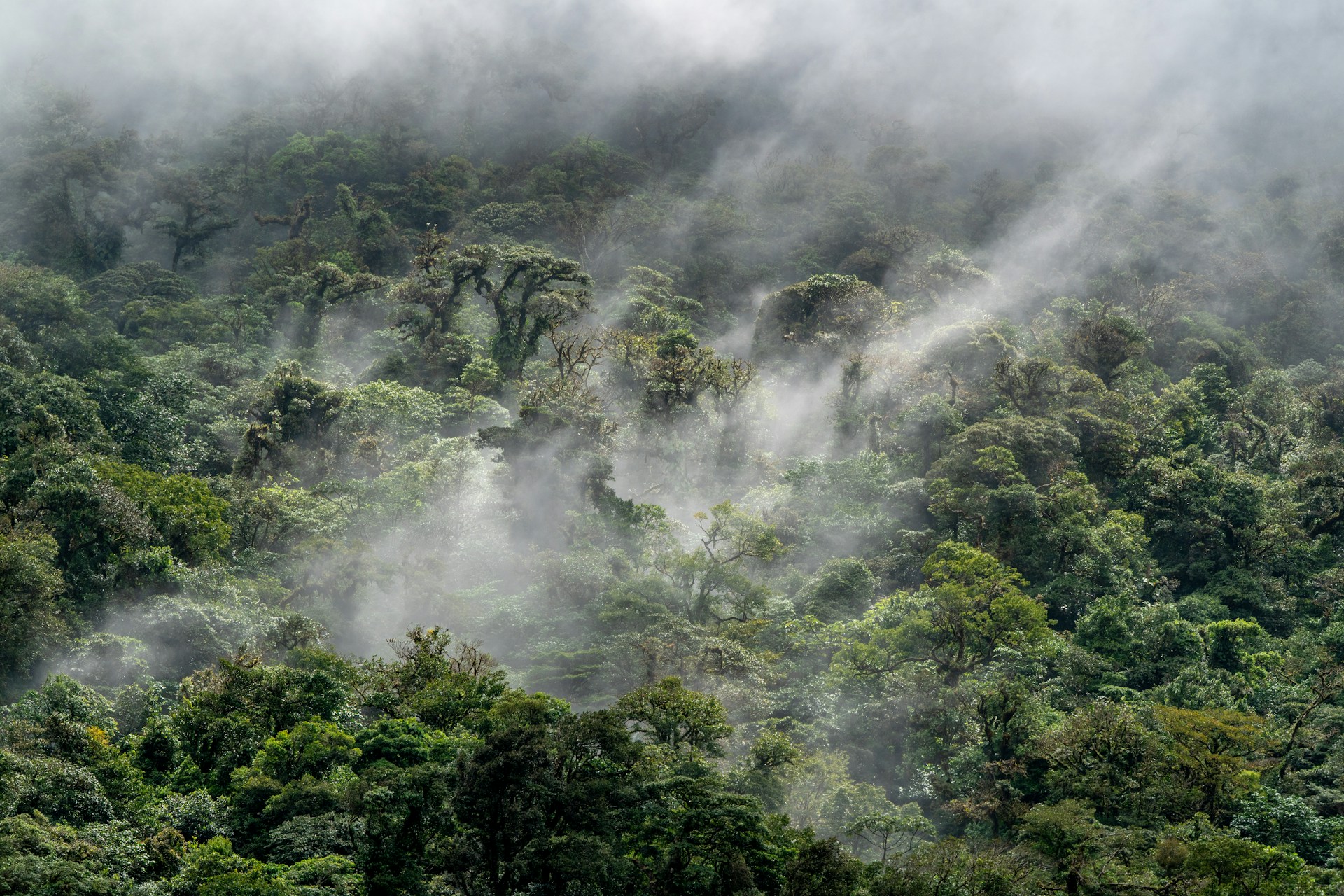
Mindo is the answer fewer people give. It's a small town in a river valley on the western slopes of the Andes, wrapped in protected cloud forest and famous among birders long before it reached the backpacker trail. You won't find giant tortoises or sea lions. You will find toucans, dozens of hummingbird species, waterfalls you can reach by a rickety cable car and a former logger who calls wild antpittas out of the forest by name.
This guide is built from current FCDO advice, Galápagos fee data, ornithological sources and recent traveller reports. It's for anyone who wants Ecuador's wildlife without the Galápagos price tag, or who wants to add something genuinely different to a mainland itinerary.
Is Mindo a good alternative to the Galápagos? The short answer
Yes, if you want wildlife and are flexible about which wildlife. Mindo won't replace the Galápagos' marine life and fearless island animals, but for birds, butterflies, orchids and forest walking it is world-class, it's two hours from Quito by public bus, and it costs a fraction of the islands. Many travellers do both; Mindo is the better choice if budget, time or overtourism concerns rule the islands out.
Mindo cloud forest | Galápagos Islands | |
|---|---|---|
Getting there from Quito | About 2 hours by bus (around $4) or 1h15 by car | Domestic flight to Baltra or San Cristóbal, roughly $250–600 return |
Entry fees | None for the town; small fees per reserve or attraction ($5–10 typical) | $200 National Park fee plus $20 Transit Control Card |
Typical trip cost | Day trip possible; tours from about $100 per person | Island hopping from about $800 for 5 days; 8-day cruises from about $3,000+ before flights |
Signature wildlife | 500+ bird species, hummingbirds, toucans, cock-of-the-rock, antpittas, butterflies, orchids | Giant tortoises, marine iguanas, sea lions, blue-footed boobies, snorkelling |
Minimum time | A day trip works; 2–3 nights is better | 5 days minimum; 8–10 for a full cruise |
Crowds | Busy at weekends with Quiteños; quiet midweek | About 290,000 visitors in 2025 |
Why the Galápagos queue is getting longer and pricier
In August 2024 the Galápagos National Park doubled its entry fee for foreign adults from $100 to $200, the first increase since 1998. Children under 12 pay $100. On top of that, every visitor needs a $20 Transit Control Card, bought at Quito or Guayaquil airport before the flight out.
The aim was to fund conservation and ease pressure on the islands. Announcing the change, Ecuador's tourism minister Niels Olsen said: "The Galápagos Islands are not only a national treasure but a global one."
The pressure is real. The islands recorded a record 329,475 arrivals in 2023. Numbers dipped to around 279,000 in 2024, then climbed back to about 290,000 in 2025, according to Galápagos government figures. The Galápagos Conservation Trust, a UK charity, has warned about the ecological effects of rising visitor numbers, much of it driven by land-based tourism.
None of this means you shouldn't go. It means that if your budget is tight, or you'd rather not add to the queue, mainland Ecuador deserves a serious look first.
What makes Mindo's cloud forest special
Mindo sits at roughly 1,200–1,300 metres, at the point where the high Andean forest meets the humid lowlands. That middle ground is what makes it so rich: species from both zones overlap, and the wildlife changes as you climb or descend even a few hundred metres.
The town is surrounded by the Mindo-Nambillo Protected Forest, about 19,500 hectares of reserve rising from around 1,200 metres to almost 5,000 metres on the slopes of Pichincha. More than 500 bird species have been recorded in the wider area.
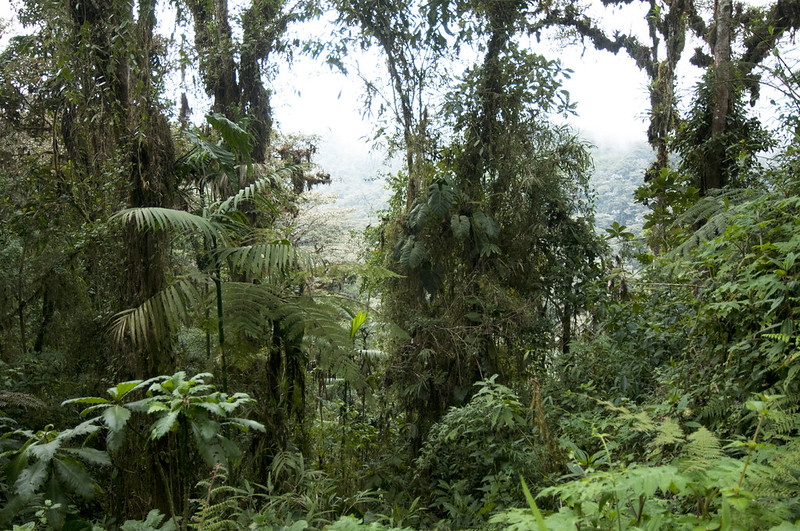
Mindo also sits within the Chocó endemic bird area, which BirdLife International describes as one that "supports the largest number of restricted-range birds of any EBA in the Americas." In 1997 BirdLife named Mindo South America's first Important Bird Area. Local birding sources report that the Mindo area has won the Christmas Bird Count in several consecutive years.
The Galápagos is famous because the animals don't run. Mindo rewards the opposite: patience, an early alarm and a guide who knows which tree the toucans visit at dawn. — Max Letek
What to see and do in Mindo
Birdwatching and hummingbird gardens
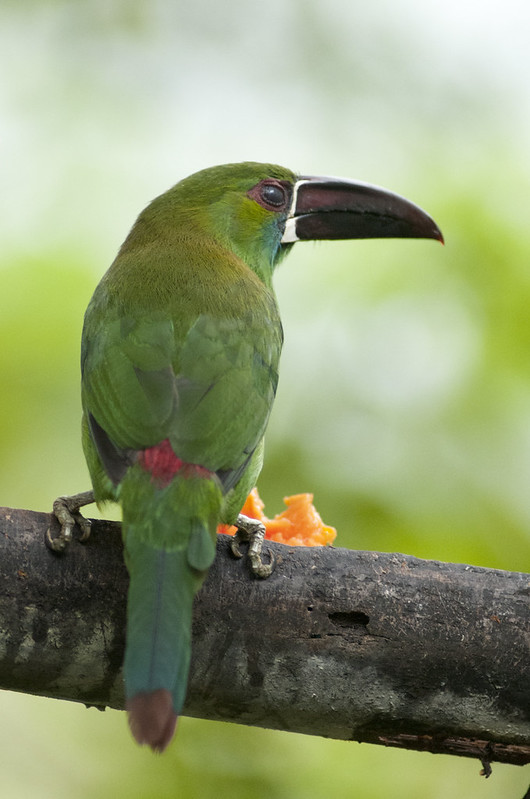
Even non-birders tend to leave Mindo converted. Hummingbird feeders at lodges and cafés in and around town draw a constant traffic of species, with local operators reporting around 40 at feeders in the area. Look for toucan barbets, Andean cock-of-the-rock, tanagers and the Chocó toucan. A good guide on a three or four-day trip can show you more than 30 regional endemics.
Hire a local birding guide for at least one early morning. The difference between wandering a trail alone and walking it with someone who can identify calls is enormous.
Refugio Paz de las Aves
This family reserve near Mindo is one of the most famous birding sites in South America, and its story is the reason. Angel Paz and his brother Rodrigo once logged and farmed the land. When visiting birders saw a rare giant antpitta on the property, Angel spent months learning to coax the shy bird into the open, eventually using worms.
The brothers turned the farm into a refuge, and Angel is widely credited with inventing antpitta feeding, a practice now copied across the Andes. Writing for Audubon, birder Noah Strycker put it simply: "Angel remains the king." Visits start before dawn, often with a stop at a cock-of-the-rock lek, followed by the antpitta calls and breakfast at the family house. Book ahead through a lodge or guide.
The Tarabita cable car and waterfalls
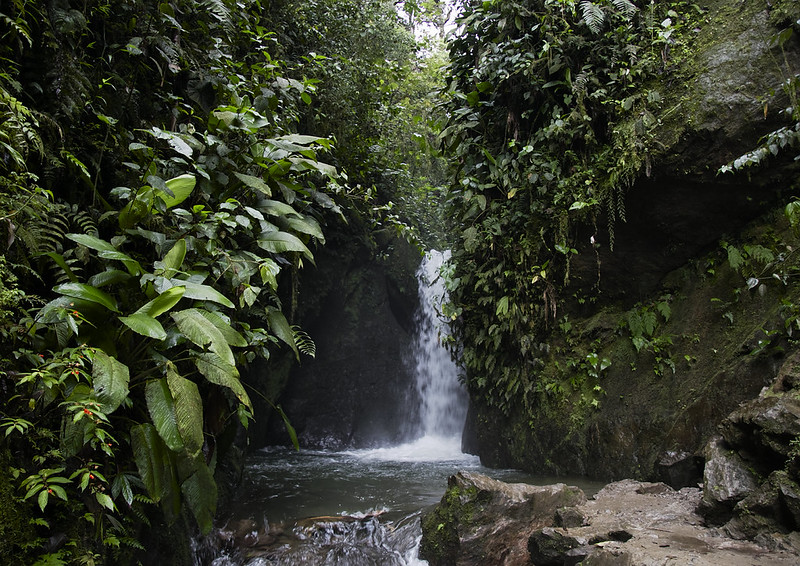
The tarabita is an open cable car that swings across the river valley above the forest canopy. It costs around $5, and on the far side the Santuario de Cascadas trails lead to a series of waterfalls. Fit walkers can link several in a few hours. Bring shoes with grip: the trails are muddy most of the year.
Butterflies, chocolate and tubing
Mariposas de Mindo, a butterfly farm a short walk from the town square, breeds dozens of species and charges around $8.50. Mindo is also a cacao town: chocolate tours such as Yumbos show the bean-to-bar process for about $10. For something faster, river tubing on the Mindo River is a popular half-day option, and there are ziplines over the valley.
Night walks
Several lodges run guided night walks to look for glass frogs, insects and nocturnal mammals. They're best in the drier months and are one of the most memorable things you can do here.
How to get from Quito to Mindo
By bus. Cooperativa Flor del Valle runs buses from Quito's Terminal La Ofelia, in the north of the city, to Mindo. Expect a journey of about two hours and a fare of about $4. Services are limited, around three a day, so check times at the terminal or with your hostel and buy your ticket early at weekends. A taxi or app ride to La Ofelia from central Quito costs under $10.
By car or private transfer. The drive is about 90km and takes roughly 1h15 via the Calacalí–La Independencia road. Private transfers and day tours from Quito are widely available.
One safety point. The Calacalí road continues west beyond the Mindo turn-off towards the coast. The FCDO currently advises against all but essential travel to several coastal provinces, including Santo Domingo de los Tsáchilas and Esmeraldas. Mindo itself is in Pichincha province, outside those areas, but don't carry on west without checking the latest advice.
When to visit Mindo
The cloud forest is a year-round destination with mild temperatures, usually around 18–24°C by day.
June to September is the drier season. It's the best time for hiking, waterfalls without washouts and night walks.
October to May is the wetter season, with afternoon rain most days. Journey Latin America and local guides rate December to April as the best period for birdwatching, when flowering and migrant species boost activity. The annual bird count is in December.
Weekends are busy with visitors from Quito. Midweek is noticeably calmer.
Mindo's altitude means mosquitoes are less of a problem than in the lowlands, but take repellent anyway.
How many days do you need in Mindo?
A day trip from Quito covers the cable car, a waterfall walk and a chocolate tour. For birding, give it at least two nights so you can be out at dawn. A three-night stay lets you add Paz de las Aves, a guided forest walk and a night walk without rushing.
Where to stay
Mindo has accommodation for most budgets, from hostels in town to forest lodges a few kilometres out with their own trails and feeders. If birding is the point, stay out of town in a lodge with a garden: you'll see more from the breakfast table than many people see on a walk. If you're on a tight budget or travelling without a car, a guesthouse within walking distance of the main square is easier.
Practical tips and safety
Visa and entry. British passport holders can visit Ecuador without a visa for up to 90 days in any 12-month period, according to the FCDO.
Money. Ecuador uses the US dollar. Carry small notes: many places in Mindo prefer cash.
Security. Ecuador has seen periodic states of emergency linked to organised crime, and the FCDO advises against all but essential travel to most coastal provinces and within 20km of the Colombian border. The highlands around Quito and Mindo are not covered by those warnings, but check the latest FCDO advice before you book. Your insurance may be invalid if you travel against it.
Altitude. Quito sits at about 2,850 metres and altitude sickness is possible. Mindo is much lower, which makes it a gentle place to recover after landing.
Kit. A rain jacket, quick-dry clothes, walking shoes with grip, binoculars and a dry bag for your phone.
Getting to Ecuador from the UK
There are no direct flights from the UK to Quito. The usual routes connect via Amsterdam with KLM, Madrid with Iberia or Bogotá with Avianca, with journey times from around 15 hours. Return fares have been observed from roughly £870 when booked ahead.
Mindo cloud forest FAQ
Is Mindo worth visiting?
Yes. Mindo is one of the best places in South America to see birds, and it combines easy access from Quito with waterfalls, butterflies and chocolate tours. It suits nature lovers who don't consider themselves birders as well as serious ornithologists.
Is Mindo cheaper than the Galápagos?
Much cheaper. A Galápagos trip carries $220 in fixed fees plus flights from the mainland, and cruises typically cost thousands. Mindo is a $4 bus ride from Quito, with attraction fees of around $5–10 each.
Can you do Mindo as a day trip from Quito?
Yes. Leave early and you can fit in the tarabita cable car, a waterfall hike and a chocolate tour. To see the best birdlife, stay at least one night so you're in the forest at dawn.
How do I get from Quito to Mindo by bus?
Take a Flor del Valle bus from Terminal La Ofelia in northern Quito. The journey takes about two hours and costs about $4. There are only a few departures a day, so check times in advance.
Is Mindo safe to visit?
Mindo is in Pichincha province, which is not among the areas where the FCDO advises against travel. Normal precautions apply. Check the current FCDO advice for Ecuador before travelling, especially if your route extends towards the coast.
What is the best time to visit Mindo?
June to September is drier and better for hiking. December to April is wetter but is considered the peak period for birdwatching.
Can I see the Galápagos and Mindo on the same trip?
Yes. Both are reached from Quito, so a few nights in Mindo fit neatly before or after Galápagos flights, and the lower altitude helps you acclimatise.