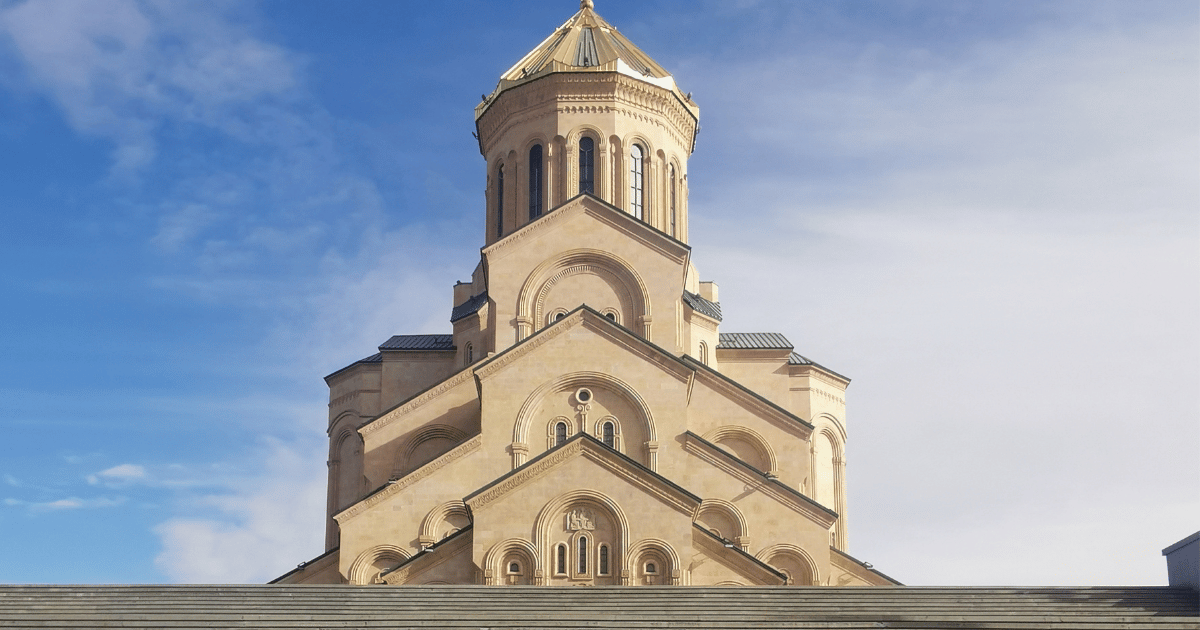
By Photo & Text by Max Letek, Lost Land Travels · Last updated September 2026
Tbilisi is the kind of city that undersells itself in photos. I'd seen the pictures of the balconies and the sulfur bathhouses before I went, and none of it prepared me for how the whole Old Town smells faintly of sulfur and fresh bread at the same time, or how far £30 stretches over a long dinner with wine included. Three days is enough to get a proper first impression of Georgia's capital - enough for the Old Town, a wine day, and one big trip into the mountains - without feeling rushed.
Quick facts
Visa: UK citizens can stay visa-free for up to 90 days in any 180
Currency: Georgian Lari (GEL); cards widely accepted in Tbilisi, cash useful for markets and baths
Flights from UK: Direct British Airways or easyJet from London, ~5h flight, one-way fares from around £129 (Kayak)
Best time to visit:Late April–June and September–October
Getting around: Cheap and easy - metro, Bolt/Yandex taxi apps, and walkable Old Town
Day 1: Old Tbilisi, on foot
I always tell first-timers to start at Rike Park and ride the cable car up to Narikala Fortress rather than walking it - it's a two-minute ride for 2.5 GEL each way (about 90p), running roughly 11am to 11pm, and it drops you right at the fortress walls with the whole Old Town laid out below you. From the fortress you can walk down past the Mother of Georgia statue and drop into Abanotubani, the sulfur bath district, where the domed brick roofs are the other image everyone recognises from Tbilisi without knowing the name.
I'd book a private room rather than the public baths for a first visit - it's more comfortable if you're not used to communal bathing, and Gulo's Thermal Spa is the one I'd point people toward for its mosaic-tiled rooms and genuinely good kisi scrub, running roughly 100–250 GEL an hour depending on the room. The public bathhouses are a fraction of the price, from 5 GEL an hour, if you'd rather save the spend for dinner instead.
Spend the rest of the afternoon wandering the Old Town itself: the carved wooden balconies on Sioni and Betlemi streets, the Bridge of Peace over the Mtkvari (Kura) River, and Meidan Square. End the day with khachapuri and khinkali at one of the no-frills local places rather than the tourist-menu restaurants right on the main squares - you'll eat better for less.
Day 2: Wine country or wine cellars
This is the day I'd build around Georgian wine, which has an 8,000-year winemaking history and a claim to being the oldest wine-producing region on earth. You've got two honest options, and both are good:
Go to Kakheti. A full-day trip out to the Kakheti wine region - Sighnaghi's hilltop old town and Telavi's vineyards - takes you into the countryside properly, with tastings at family wineries using the traditional qvevri clay-vessel method you won't see done the same way anywhere else.
Stay in Tbilisi. If a full day out doesn't fit, Tbilisi's own wine bars more than hold their own - I spent an evening at Vino Underground working through a flight of qvevri wines from small producers, which is the easier option if you'd rather not lose a full day to driving.
Either way, round off the evening in Fabrika, the old Soviet sewing factory turned courtyard of bars, coffee shops and design stores - it's where a lot of Tbilisi's younger crowd actually hangs out, and a good contrast to the Old Town's older, quieter streets.
Day 3: The Georgian Military Highway to Kazbegi
Save your best weather day for this one. It's a full-day trip, roughly three hours each way along the Georgian Military Highway, but it's the single most spectacular day you can build into a Tbilisi trip. The route runs past Ananuri, a 16th-century castle complex on the edge of the turquoise Jinvali Reservoir, before climbing toward Stepantsminda (Kazbegi), where a 4WD or short hike takes you up to the 14th-century Gergeti Trinity Church, set against Mount Kazbek at 5,047 metres.
Book this one as an organised day tour rather than self-drive if it's your first time - the mountain roads and the 4WD stretch up to the church are easier left to someone who does the drive daily. I'd get back into Tbilisi in time for dinner at one of the restaurants around Turtle Lake or Mtatsminda Park, which both look back down over the city lit up at night.
Getting there and getting around
British Airways, easyJet both fly direct from London to Tbilisi, around five hours, with one-way fares from roughly £129 and returns from about £241 depending on dates (Kayak). I flew with Wizz Air via Milan from London as it was the cheapest route , UK passport holders don't need a visa for stays up to 90 days, just a passport valid for the length of the trip - though it's always worth checking current entry requirements before you book, since policies do shift.
Tbilisi itself is cheap and easy to get around: the metro is fast and costs pennies, Bolt and Yandex Go both work reliably for taxis, and the Old Town, Rustaveli Avenue and Fabrika are all walkable from each other.
FAQs
Is 3 days enough for Tbilisi?
Yes, for a solid first impression - enough for the Old Town, one wine-focused day, and one big day trip into the mountains. You'll leave wanting to come back, which is about right for a first visit.
Do UK citizens need a visa for Georgia?
No. UK passport holders can enter visa-free for stays of up to 90 days within any 180-day period.
Is Tbilisi safe for tourists?
Yes - Tbilisi is a low-crime capital by European standards, and Kazbegi/Kakheti day trips are well-established tourist routes. Normal precautions apply, as anywhere.
How much does a trip to Tbilisi cost?
Georgia runs considerably cheaper than Western Europe - expect private sulfur bath rooms from around £25–£60/hour, a full dinner with wine for under £15 a head outside tourist squares, and flights from the UK from around £129 one-way.
What's the best day trip from Tbilisi?
Kazbegi (Stepantsminda) for the Gergeti Trinity Church and mountain scenery; Kakheti for wine; Mtskheta, Georgia's former capital and a UNESCO World Heritage town, if you only have a half-day to spare.
What currency does Georgia use?
The Georgian Lari (GEL). Cards are accepted almost everywhere in Tbilisi, but keep some cash for the sulfur baths, markets and smaller wineries.